


A Century of Innovation, Sustainability, and Growth.
5-7 July 2027, Wellington

In 1927 a small group of foresters formed what would become the New Zealand Institute of Forestry. One hundred years later we gather to celebrate the people, forests, achievements and challenges which have shaped our profession and to consider the next century ahead.
Join us for a landmark event as the New Zealand Institute of Forestry and our Australian Forestry colleagues unite to celebrate a century of progress and partnership. This prestigious joint conference not only honours the sector’s remarkable achievements but also anticipates the opportunities and challenges of the next hundred years.
Over several days, immerse yourself in reflections on the influential people, groundbreaking ideas, and innovative technologies that have shaped today’s forests. Engage with leading experts on climate, land use, technology, and investment as we explore the future of forestry.
Held in our capital city and coinciding with NZIF’s centennial, this event presents a unique opportunity to connect across the Tasman, exchange practical experiences, and help shape the future direction of forestry in our region. Whether you are a practitioner, investor, researcher, or policymaker, this conference is an essential gathering you won’t want to miss. Secure your tickets today and be part of this historic occasion.

ANZIF would especially like to thank our Commonwealth Sandalwood and Forestry Futures Sponsors.



Forestry Futures Conference Venue
Takina is conveniently located in Wellington CBD’s cultural precinct, near transport links, entertainment, dining, and accommodation. Wellington’s central location in New Zealand offers easy access by air, road, train, or ferry. Wellington Airport serves domestic flights and is a short flight from Australia’s east coast. The 15-minute airport-to-city commute is the longest visitors will have during their stay.
Takina is at 50 Cable Street, Te Aro, Wellington 6011.

Don’t miss this landmark event in Wellington, celebrating a century of forestry and paving the way for the future.
Take a break from your routine, reconnect with colleagues from New Zealand and Australia, and engage in transformative conversations which will shape our sector.
Gain insights from seasoned experts and emerging voices, exchange ideas, and forge lasting connections.
Your perspective is crucial, and your involvement will define the next chapter.
Register now to secure your place and be part of this pivotal moment!
We invite you to join us.
2127 Visions
Forestry Futures – Speakers
-

Hon. Todd McClay
Todd McClay is the Minister of Agriculture, Minister of Forestry, Minister for Hunting and Fishing, Minister for Trade, and Associate Minister of Foreign Affairs. He has been the MP for Rotorua since 2008.
Todd held several Ministerial roles in the Fifth National Government with portfolios including Trade, State-Owned Enterprises and Revenue.
Todd has previously been a diplomat and was the Cook Islands and Niue Ambassador to the European Union. He has worked in business in Europe as well as government and public relations internationally.
-

Tara Wylie
Tara Wylie is a Partner at Simpson Grierson and one of New Zealand's leading advisers on overseas investment and major forestry transactions.
She is a trusted adviser to forestry companies, institutional investors and iwi on some of the country's most significant forestry investments and projects, including acquisitions, disposals, forestry rights, CFL transitional arrangements and hand back to mana whenua, and Overseas Investment Act approvals.
Combining deep expertise in complex land use, regulatory and investment matters with a strong understanding of commercial drivers shaping the sector, Tara brings a unique perspective on the opportunities and challenges facing New Zealand's forestry industry. -

Melissa Clarke-Reynolds
Melissa is a street-smart futurist and tech entrepreneur who helps leaders cut through noise, tackle change head-on and build clear pathways to tomorrow.
Trained by the Institute for the Future and appointed an Officer of the New Zealand Order of Merit for services to the technology industry, she’s worked with everyone from Spark and IAG to NASA and Australian Pork, tackling everything from company strategy to digital disruption. Melissa brings principled insight and practical tools that help teams turn uncertainty into direction.
People often leave her sessions with their minds blown and their thinking reset — about risk, responsibility, and what to act on now. Whether she’s guiding a CEO through a tough transition or challenging a conference audience on the future of AI, Melissa is known for her grounded foresight and ability to call it like it is, with clarity and warmth.
-

Professor Shaun Hendy
Shaun Hendy is currently Callaghan Innovation’s Chief Innovation Expertise Officer. He is also Chief Scientist and co-founder of Toha, a company that builds and operates digital marketplaces for environmental action, and an adjunct professor at the School of Science in Society at Te Herenga Waka - Victoria University of Wellington.
He was the founding director of Te Pūnaha Matatini, a national Centre of Research Excellence, focussing on complex systems, and has previously worked as an academic at both Te Herenga Waka and Waipapa Taumata Rau - the University of Auckland.
He is probably best known for leading New Zealand’s Covid-19 modelling team, which won the 2020 Prime Minister’s Science Prize for their work.
However he is also well known for his work on complex systems, particularly as it applies to innovation, and in 2012 co-authored Get Off the Grass on this topic with the late Sir Paul Callaghan. He has since written three other books, Silencing Science (2016), #NoFly (2019) and The Covid Response (2025).
-

Scarlet Roxby
Scarlet Roxby is a carbon project coordinator working at the intersection of plantation forestry and carbon markets in Australia. Her work has focused on translating the technical requirements of the ACCU Scheme into practical outcomes for landholders, investors, and forestry stakeholders.
With a background spanning biology, regenerative agriculture, and forestry, Scarlet brings a multidisciplinary perspective to the sector. Having worked across both not-for-profit and commercial environments, she offers an independent and critical lens on the opportunities and challenges shaping forestry’s future.
As a recent graduate of the cross-industry Graduate Certificate in Forestry, Scarlet represents an emerging generation navigating the evolving relationship between carbon, timber, and land use.
-
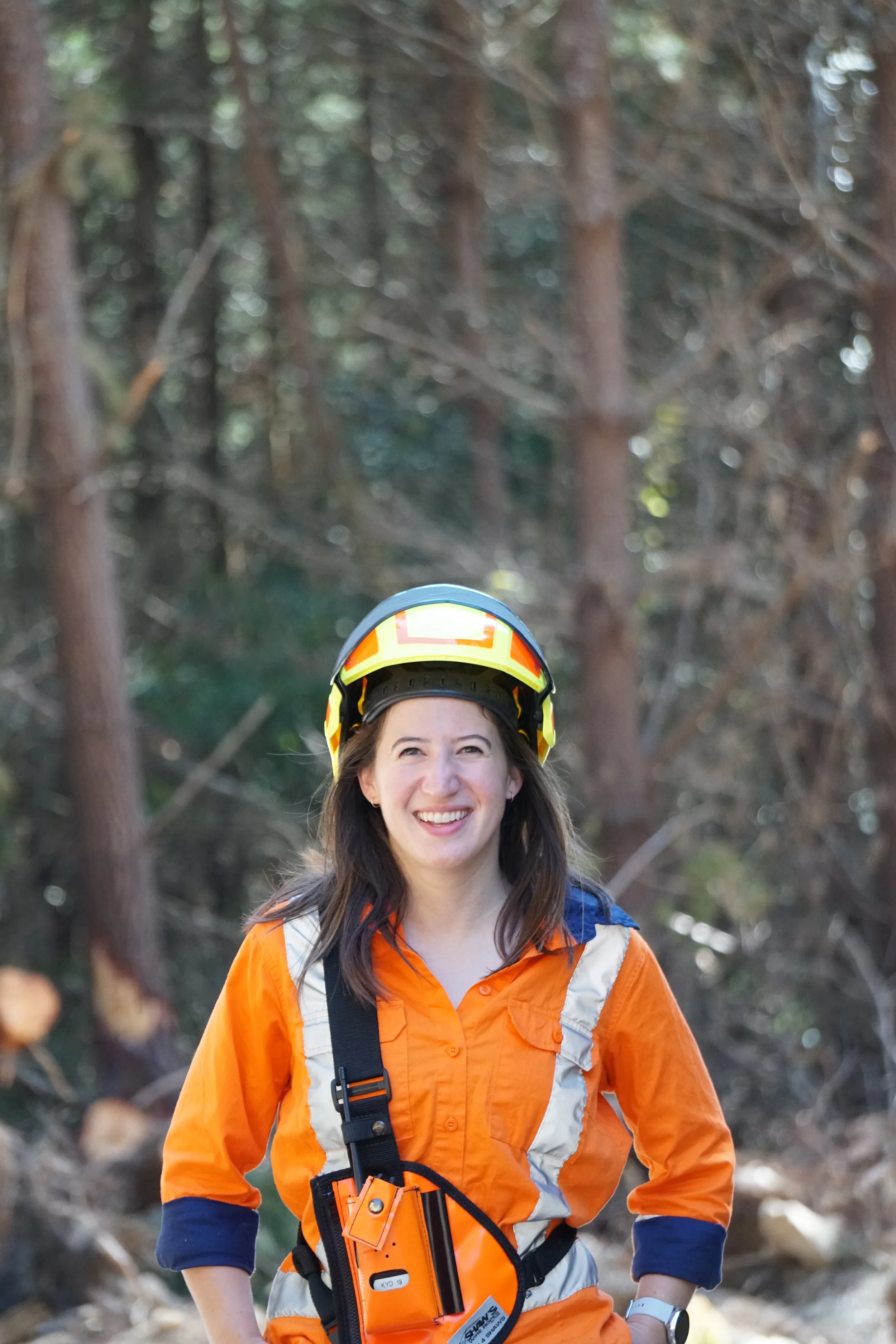
Sarah de Gouw
Sarah de Gouw is the Harvest Planning & Roading Manger at Matariki Forests in Canterbury. Having worked across several regions of New Zealand, her forestry career has included a range of operational and management roles with expertise in forest engineering and harvest planning. Her experience has provided a broad perspective on the opportunities and challenges facing New Zealand forestry.
Sarah works closely with contractors, local authorities, and community stakeholders to develop practical solutions that balance commercial, environmental, and social outcomes. She is passionate about leveraging innovation and technology to improve forest management and environmental performance. She is committed to supporting a forestry sector that continues to drive sustainability, growth, and positive outcomes for future generations.
-

James Palmer
James was appointed Chief Executive of Earth Sciences New Zealand (ESNZ) in March 2026. He previously served as Chief Executive of the Ministry for the Environment and the Hawke’s Bay Regional Council. James has extensive experience leading environmental and resource management reform, with a background spanning public policy, science strategy, and the electricity and primary industries. He has also held senior advisory and governance roles across national science initiatives and research organisations.
-
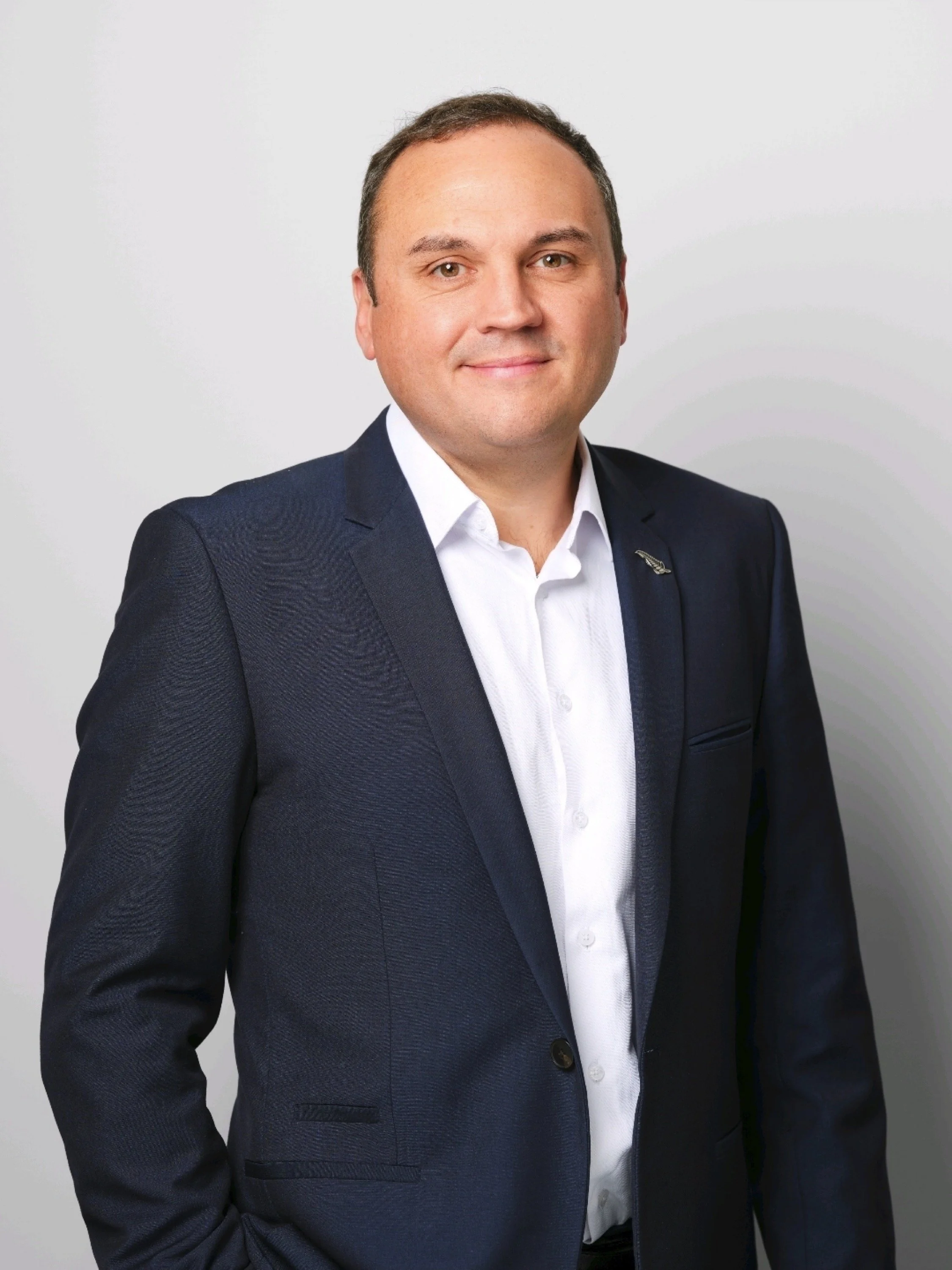
Nick Leggatt
Nick Leggett has been Chief Executive of Infrastructure New Zealand since April 2023, leading the country’s peak body for infrastructure advocacy. Previously Chief Executive of Ia Ara Aotearoa Transporting New Zealand and Mayor of Porirua City from 2010 to 2016, Nick has spent his career championing the infrastructure needed to support economic growth, stronger communities, and a more prosperous and sustainable New Zealand.
A respected voice on infrastructure policy, funding and governance, Nick advocates for a long-term, bipartisan approach to planning and investment. He believes New Zealand must be more ambitious in delivering the infrastructure required for future generations, while building the capability, skills and workforce needed to turn that ambition into reality.
-

Michal Brink
Michal is a resident of Thailand and an Extraordinary Professor of Forest Sciences, Michal is redefining the digital landscape of the industry. As CEO of CMO International, Michal has overseen the company’s expansion into 45 countries, driven by a passion for sustainability and technical excellence.
Michal is the driving force behind the "new CMO," a tech-centric organization that has famously traded traditional coding for exclusive AI-driven software development. By assembling a diverse, multidisciplinary executive team, Michal ensures that CMO’s international rollout is as strategic as it is innovative. His 20-year background as an auditor and consultant provides the "boots-on-the-ground" expertise that fuels his vision for a smarter, tech-enabled forestry future.
-

Bridget Fraser
Bridget is a public sector leader with extensive experience working across environmental policy, organisational performance, governance, and major system reform. Currently a Manager within New Zealand’s Ministry of Cities, Environment, Regions, and Transport, she has led work spanning strategic planning, performance frameworks, reform implementation, climate and freshwater policy. Her work focuses on helping organisations navigate complexity by connecting long-term strategy with practical delivery. Recent work has focused on reform coherence, strategic risk, and the long-term capability needed to support enduring environmental, economic, and community outcomes. She has been a member of NZ Institute of Forestry since 2002 and was a member of NZIF Council from 2016-2022.
-

Warwick James
Warrick James began farming in 1980 after attending Lincoln College, joining the family sheep, beef and deer operation on a High-Country property above Springfield, Canterbury.
Warrick brings a practical, first-hand perspective on integrating carbon forestry with traditional pastoral farming. In 2010, he and his wife CeCe relocated with their three children to "Flagpole" in the Selwyn Gorge, a 1,300ha sheep and beef property carrying 520ha of Pinus Radiata and Douglas Fir.
Recognising that timber income was years away, Warrick explored carbon markets in the early stages of ownership, ultimately registering the forest under the Permanent Forest scheme in 2010. Their first carbon credit sale at $20 per unit proved transformative for the business.
Over the following 16 years, Warrick and his family have continued developing permanent forests across multiple properties, focusing on marginal land while preserving better pastoral land for livestock. The family now operates three sheep and beef properties, all integrating tree development alongside livestock, with shares in additional forestry blocks. Most recently, they have invested in a North Canterbury dairy farm, establishing native species for shelter and riparian planting.
Warrick has served as Past President of the Canterbury A&P Show, the NZ Limousin Breeders Society, and several local agricultural organisations. He remains actively involved in his community, including as current Chairman of Sheffield Saleyards Inc and as a member of the Selwyn River Catchment Group. Warrick brings a practical, first-hand perspective on integrating carbon forestry with traditional pastoral farming.
-

Lucas MacDonald
Lucas joined ZIP in early 2025 and holds a Master’s in Earth Science from the University of Auckland, with 10 years’ experience managing environmental, biosecurity and conservation projects. He leads ZIP’s carbon project, working across the ZIP team and with a range of scientists to measure the additional carbon stored in native forests as a result of ZIP’s predator elimination work. The ultimate aim of this project is to unlock the value of this carbon and reinvest it into further conservation work. A born-and-bred West Coaster, Lucas enjoys mountain biking and kayaking, and has spent time exploring the backcountry rivers of South Westland that are now predator-free.
-

Michael Barbara
Michael Barbara is an experienced executive with a strong background in investment and asset management within the forestry sector. He joined Campbell Global (part of J.P. Morgan Asset Management) in 2024, where he serves as Director of Australasia. In this role Michael is responsible for the firm’s investment activities and oversight of assets under management in the region.
Michael previously spent almost 20 years at New Forests where he held numerous roles including Chief Commercial Officer, Director of Business Development, and had lead roles in deal origination and execution, working on funds and strategies in Australia, New Zealand, Asia, Africa and North America.
Michael holds an MBA from Macquarie Graduate School of Management and has completed the Company Directors Course at the Australian Institute of Company Directors. He earned a Bachelor degree in Environmental Management at Macquarie University.
-
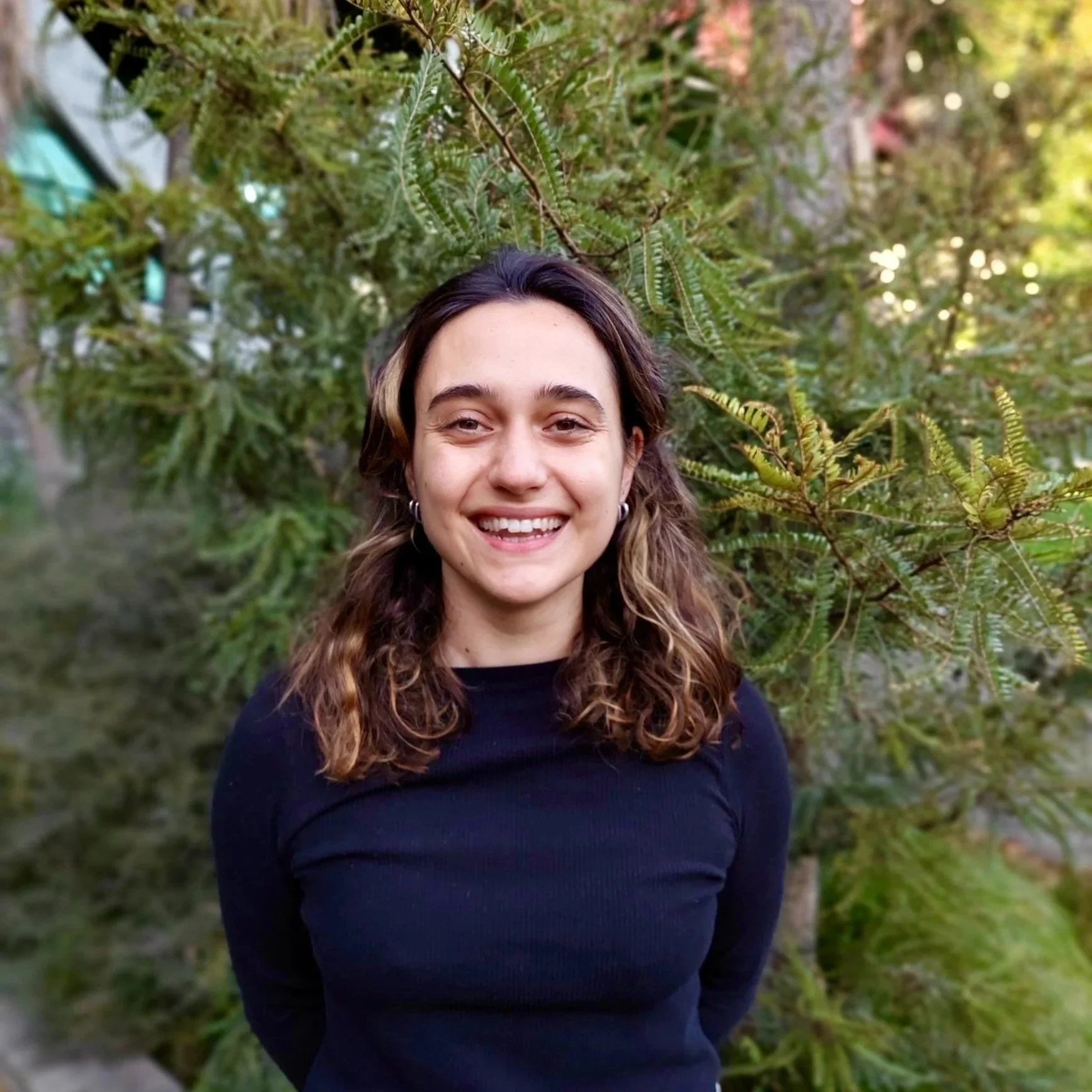
Mathilde Batelier-Belton
Mathilde is a Director and General Manager of Carbon Forest Services, a specialist consultancy based in Wellington that supports forest owners, including farmers, with forestry under the New Zealand Emissions Trading Scheme (ETS). She specialises in carbon markets, including in the voluntary space. She oversees the company's operations and team.
Originally from France, Mathilde holds two Master's degrees from leading European universities, focused on how economic and market-based policies can both support and inhibit sustainable development. Before moving to New Zealand, she built her career in the UK, specialising in carbon markets and climate change policy across the public and private sectors, including project work with The Climate Group.
Mathilde is a registered member of the New Zealand Institute of Forestry and an NZIF Councillor.
-

Ramona Radford
Ngātai, Whakatōhea, Ngāti Porou, Tuhoe, Ngāti Pukeko, 5th generation pākeha
Background: Māori land/commercial supply chain and logistics, primary produce trade, and export. Board member of Ngā Pou a Tāne Māori Forestry Association. Director at Tipu Āke Systems – expert advisory for transition from pre-settlement forestry systems to tikanga-centred systems and value chains.
Current research and development interests: Has a vision for Māori forestry leadership to transform New Zaland’s forest history and landscapes. Forest designer for Takaputahi (26,000 hectares of native and pine forest) on behalf of Ngāitai Iwi Authority, and Tunapāhore (330 hectares dairy farm and forest land). Leads strategy development and implementation pathways for He Rautaki Ngahere Māori 2040 (the national Māori forestry strategy). Developing a Māori Forestry 2040 Transitions System with Ngā Pou a Tāne and Toha. Co-founder of the Whare Tī model, a Māori land development partnership with over 90 land blocks towards a Living Forest Economy. Creating a global envelope of Indigenous practice forests alongside other Indigenous nations. Managing the establishment of a Tōtara Industry Cooperative in Northland alongside Te Tai Tokerau Māori Forests Inc. and others.
-
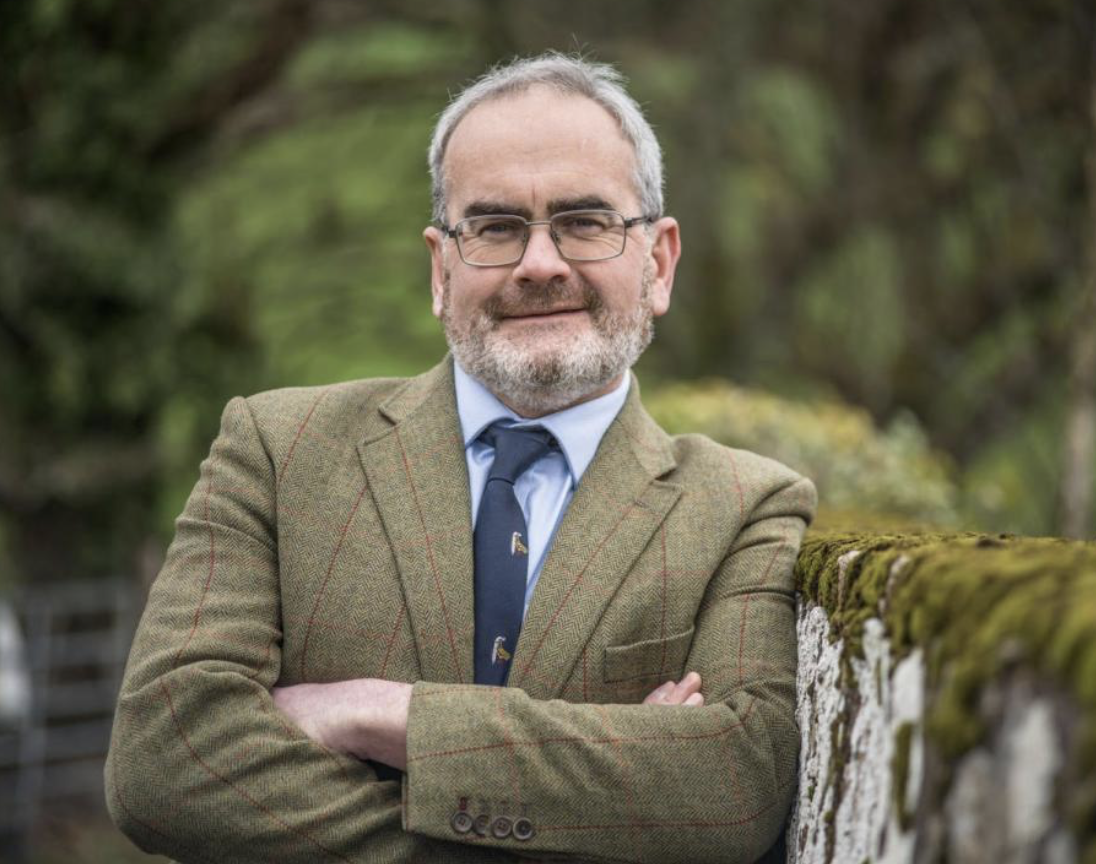
Geraint Richards (MVO OBE FICFor)
Geraint Richards is the Head Forester to His Majesty The King. For nearly 30 years he was responsible for the management of the trees, woodlands and forests across the Duchy of Cornwall’s extensive landholding (when His Majesty was Duke of Cornwall) and now is involved with the Duchy of Lancaster and other estates associated with His Majesty The King.
Geraint graduated in 1992 with a degree in Forestry from Bangor University in North Wales and then worked for four years for the Forestry Commission before taking up his initial position with the Duchy of Cornwall. Geraint is also involved with a wide range of tree-related organisations and initiatives, both nationally and internationally,
Geraint was made a Member of the Royal Victorian Order (MVO) in 2017 and, in 2019, he was awarded the Royal Forestry Society’s Gold Medal for distinguished services to forestry. He is a Fellow of the Institute of Chartered Foresters and was its President from 2023 – 2025. Geraint was awarded an OBE for services to Forestry in 2025. Geraint was also the High Sheriff of Cornwall from 2025-26 and is now the President Elect of the Royal Cornwall Agricultural Association.
-

Rob de Fégely
Rob de Fégely AM, MSc, FFA, FAICD is a registered forestry professional. He holds several non-executive board roles including Chair of Sustainable Timber Tasmania, Director of Forestry Corporation of NSW and the Bega Circularity Co-operative Inc. He is an Advisory Board member of the Alberta Investment Management Corporation (AIMCo) Forest Investment Trust. He was formerly Chair of the Commonwealth Governments Forest Industry Advisory Council and a Non-Executive Director of VicForests. He is a past President of the Institute of Foresters of Australia (now Forestry Australia) and an Advisory Board Member of the Commonwealth Forestry Association. He has an interest in indigenous forest management and was the foundation Chair of Cape York Timber. He has worked in plantations and natural forests for 45 years and undertaken projects in every state and territory in Australia, New Zealand and the Asia Pacific. He specialises in governance and industry strategy and investment. He has a BSc (Forestry) from the Australian National University and an MSc from Aberdeen University in the UK. He is a Fellow of Forestry Australia and the Australian Institute of Company Directors. He and his wife Sarah live on a small beef and sheep farm on the far south coast of NSW.
-
Prof Jo Bradwell
Jo Bradwell DSc, FICFor(Hon) is owner and director of Norbury Park and Forestry Commission commissioner. He has been instrumental in setting up the Birmingham Institute of Forest Research (BIFoR), increasing woodland cover and transforming the farmland from crops to mob grazing with cattle. Winner of the 2018 RFS Sylva trophy and the 2018 Peter Savill award.
-

Geoff Manks
Founded in 2010 by industry veteran Geoff Manks, Sage Partners Ltd was born after a quarter-century of leadership in the New Zealand insurance market. Having owned and directed some of the nation’s largest brokerages, Geoff launched Sage Partners to move beyond traditional boundaries.
Sage Partners specialises in the unconventional and is a Lloyd’s Coverholder. Driven by the mantra "We Don’t Deal in the Ordinary," we leverage decades of high-level experience to provide the industry with premier wholesale insurance products, services and advice.
-

Sam Van Holsbeeck
Dr Sam Van Holsbeeck is a Research Fellow with the Forest Research Institute at the University of the Sunshine Coast. His research focuses on applied forest health, silviculture, fuel management and fire resilience, with a strong emphasis on industry-led research in plantation and native forest systems. Sam leads and contributes to national collaborative projects across forest pest, weed and disease management, spray application technology, biomass and fuel characterisation, and citizen science approaches to bushfire resilience. He works closely with forest growers, government agencies and industry partners to develop practical research outcomes that support safer, more resilient and productive forest landscapes.
-
Sarah Miklihoft Fletcher
Sarah is a prominent atmospheric scientist who leads the Changing Atmosphere Flagship Programme at New Zealand's National Institute of Water and Atmospheric Research (NIWA)
Her research specializes in using ground stations, aircraft, ships, and satellites to map and measure greenhouse gas emissions and land-biosphere carbon uptake
-

Tripti Singh
Professor Tripti Singh is an internationally recognised wood scientist and research leader. She is Director of the National Centre for Timber Durability and Design Life at the University of the Sunshine Coast, Australia usc.edu.au/timber-durability and also serves part-time as a Senior Scientist at Bioeconomy Science Institute (Scion Research), New Zealand.
With over 25 years of experience in timber durability, wood protection, biodeterioration, and resource valorisation, Professor Singh has led major collaborative research programs across Australia and New Zealand, working closely with industry, government, and academia to improve the durability, circularity, and sustainable use of timber and biobased products.
Professor Singh has published extensively, supervised numerous higher degree research students, and plays an active leadership role in international standards and scientific organisations. She is Chair of Standards Australia Technical Committee TM-012 (Timber Grading and Preservation) and Coordinator of IUFRO Research Group 5.03.00 (Wood Protection). Her research and leadership have made significant contributions to advancing sustainable forest products and wood science internationally.
-

Jeff Ilott
Jeff is the current CEO of the NZ Timber Industry Federation, an Industry body with roots dating back to 1917 when it was formed as the Dominion Sawmillers Federation. Our rich history reflects our deep roots in the industry. From our beginnings working with indigenous species like Rimu and Matai to leading the shift toward sustainable plantation forestry with Pinus radiata and Douglas fir, we've continually adapted to meet the evolving needs of the sector. The Federation and our members have been at the leading edge of establishing export markets for Sawn radiata Timber all over the globe.
Jeff has been with the NZTIF since 2009, coming from a background in the Construction Industry and has a deep understanding in technical areas of Timber production including Quality Assurance and use. This knowledge has led to active participation in a number of standards both NZ based and Joint Australian / New Zealand Standards. Jeff is also actively involved in issues surrounding Worksafe and Hazardous Substances.
Moving forward, processing more of our harvest onshore is seen as a key to success of the entire Forestry Sector and assisting to develop new markets such as India and expand existing ones such as Viet nam and the United States are vital.
-

Paco Tovar
Paco Tovar (B.Sc. Hons.) has over 20 years’ experience managing operational and research forestry projects relating to silviculture, nutrition, forest health and biosecurity. Currently employed as the Australian Forest Products Association’s biosecurity manager, he presents industry views to Australian governments on policy and research issues relating to forest health and biosecurity.
He oversees the implementation of the industry-government collaborative post-border program Forest Watch Australia and, the softwood sector’s National Giant Pine Scale Strategy. As biosecurity manager he also represents industry in the event of an Emergency Plant Pest Response, and on consultative groups such as the National Biosecurity Strategy Implementation Committee and the Sustainable Biosecurity Funding Committee.
-
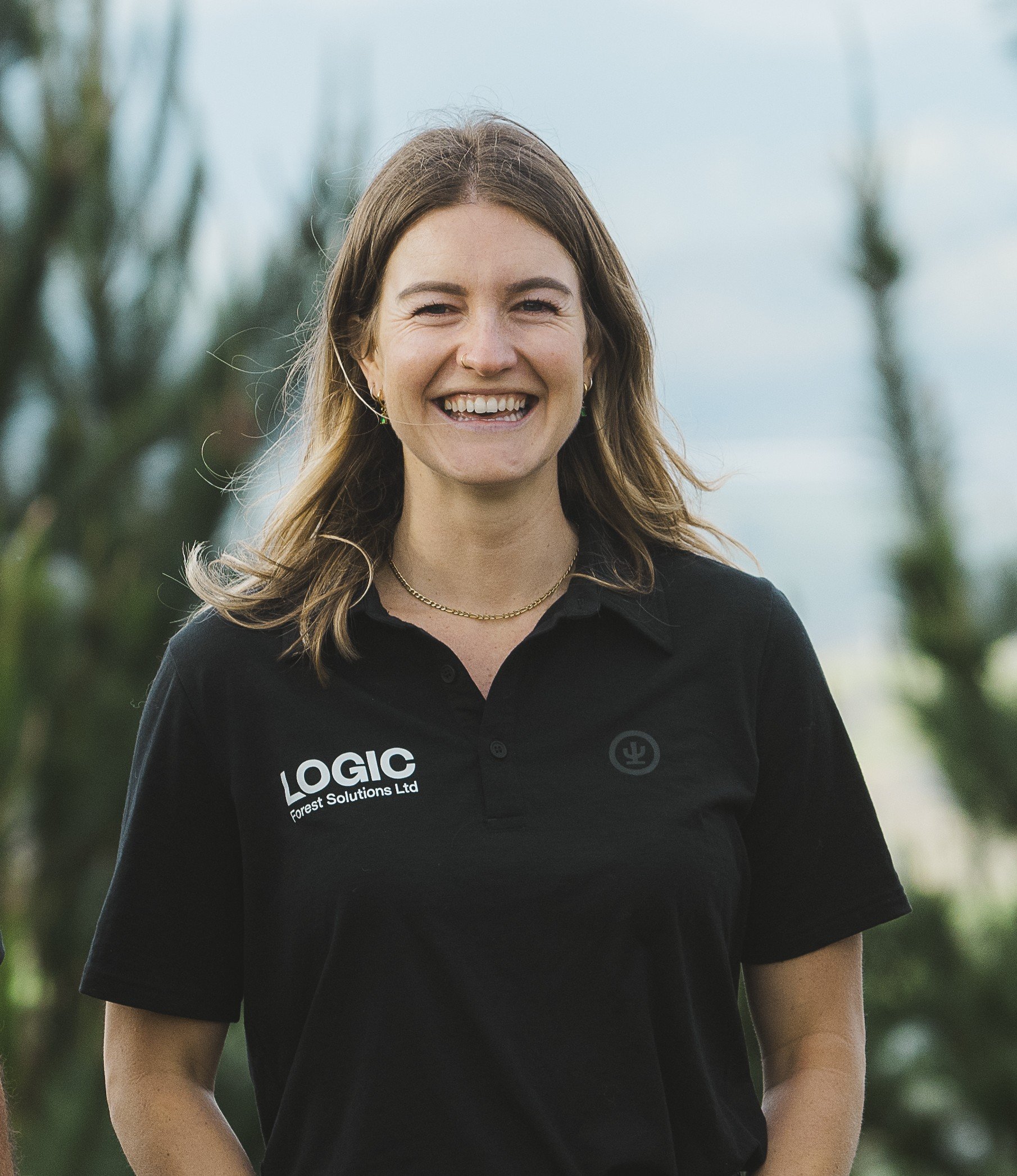
Kendra Monteith
Kendra Monteith is an Operations & Special Projects Manager at Logic Forest Solutions in Tairāwhiti, with a career spanning resource management, forestry operations, harvesting, environmental planning, woodflow coordination, woody debris recovery and strategic project delivery, working across both local government and industry.
Kendra is currently involved in strategic projects and land-use transition across Tairāwhiti, working at the intersection of forestry, environmental management, regulation, recovery and future land-use planning. She brings a practical, cross-sector perspective to the challenges and opportunities facing forestry and land use in the region. Kendra was awarded the 2025 FRESTRA Young Forester of the Year for her contribution to the forestry sector and Tairāwhiti recovery.
-

Ross Hampton
Mr. Ross Hampton is co-founder and Chief Executive Officer of the International Sustainable Forestry Coalition (ISFC), headquartered in the United Kingdom.
The ISFC mission is to promote the growth of the climate and nature smart, sustainable forest-based circular bioeconomy by engaging proactively with the global decision making processes.
In three years since inception, ISFC has grown to have a membership of 24 global forestry companies which steward more than 31 million hectares in 41 countries.
Mr. Hampton was previously the long serving Chief Executive Officer of the Australian Forest Products Association, after working in journalism and as a senior adviser to three Australian Federal Government Cabinet Ministers.
Mr. Hampton was twice elected Chair of the, Rome headquartered, UN FAO Advisory Committee on Sustainable Forest-Based Industries (ACSFI) and remains a member.
-

Cameron Bagrie
Cameron Bagrie is a well-known and highly regarded no-nonsense straight-talking economist based in Wellington, or as Cameron more eloquently puts is, providing independent and authoritative analysis of the New Zealand economy and broader economic matters. Cameron founded Bagrie Economics in 2018 off the back of a 20 year career in the economics field, including the role of Chief Economist ANZ for over 11 years and positions at the National Bank, Treasury, and Statistics New Zealand.
-

Graham Wilkinson
Graham is a professional forester with 50 years’ experience in forest management, research and regulation. He spent the first 10 years of his career as an operational forester in the sub-tropical and temperate forests of New South Wales. This was followed by a decade as a specialist silviculturalist and forest research manager in Tasmania. From 1996 to 2015 he was the head of Tasmania's Forest Practices Authority where he had statutory responsibility for the administration of the regulatory framework for native forests and plantations on public and private land.
He now works as a forestry consultant within Australia and throughout the Pacific.
He is a Fellow of Forestry Australia and is the current Vice-President of the Pacific Network of Forestry Professionals.
-

Jalesi Mateboto
Mr. Jalesi Mateboto is a forester by training and currently serves as the President of the Pacific Network of Forestry Professionals (PNFP). He previously worked as the Natural Resources Management (NRM) Advisor with the Pacific Community (SPC), Land Resources Division.
With over 25 years of experience across the Pacific, Jalesi has provided strategic advice and technical leadership on forestry and sustainable landscape management to governments and regional organisations. His career spans public service with the Fiji Forestry Department, the private sector in logging and sawmilling, and regional NGO work in community forestry.
He continues to support regional collaboration and capacity development in forestry through his leadership role in PNFP. -

Patrick Smellie
Pattrick has worked in Wellington as a business and political journalist, and political and corporate communications adviser for more than 40 years. He was The Australian newspaper's first NZ correspondent in the mid-1990s, is a former Parliamentary Press Gallery chairman, and spent a year in the United States as a Harkness Fellow. He worked for former Finance Minister Roger Douglas in the mid-1980s, was head of communications and brand at Contact Energy in the 2000s and returned to journalism to found BusinessDesk in 2008, a business sold to NZME in 2021. He has been a principal of The Hugo Group, an information service for CEOs, since 2013 and in 2020 became a shareholder in Carbon News, NZ's longest-running climate change and decarbonisation newsletter.
-

Alfred Duval
Alfred is a professional forester with experience across both the operational and technical sides of forestry in New Zealand. As one of the driving forces behind Future Foresters and the Young Forester of the Year award, he is actively engaged in the long‑term success of the sector, giving him a broad perspective on what it means to be a forester in New Zealand today.
A current MBA candidate, Alfred is increasingly focused on effective leadership and how it applies within forestry. In a profession defined by long rotations and decisions whose impacts unfold over decades, he believes leadership must be intergenerational in its intent.
In closing the NZIF Conference, Alfred will look forward from a century of innovation to explore what foresters of today and tomorrow need from their leaders.
ANZIF acknowledges and thanks our Totara and Awards Dinner Sponsors.

As part of the NZIF Centennial Conference, delegates will have the opportunity to step back through 100 years of forestry history and explore how our profession, our forests, and our country have evolved.
This special exhibition will bring together photographs, documents, maps, publications, machinery, timber products, memorabilia, and personal stories from across the last century. From the pioneering foresters who helped establish the profession, through to the innovations, challenges, and achievements which have shaped modern forestry, the display will showcase the people, places, and events that have left a lasting mark on New Zealand’s forestry story.
Visitors will be able to trace the development of the New Zealand Institute of Forestry alongside the growth of the sector itself, exploring how foresters have contributed to conservation, wood production, research, rural communities, biodiversity, climate change solutions, and the stewardship of New Zealand’s landscapes.
The exhibition will feature a timeline spanning 100 years, profiles of influential forestry figures, historic photographs and publications, examples of forestry equipment and products, and many of the milestones which have shaped both the Institute and the wider forestry sector.
Whether you have spent a lifetime in forestry or are just beginning your career, this unique display offers a chance to celebrate our shared heritage, reflect on lessons from the past, and consider the opportunities and challenges which lie ahead for the next century of forestry in New Zealand.
A Century of Forestry



NZIF – A Century of Professional Forestry Practice 1927-2027
The founding of the New Zealand Institute of Foresters involved the efforts of several interested groups working from different places, with somewhat different motives, and overlapping in time. Over a period of a couple of years ideas and individual effort morphed into a single proposal and a couple of meetings to shift things along. The first of these was in Auckland in March 1927 and involved a small group of mostly professional foresters.
Later that month a wider group but involving the folk from Auckland met in Wellington (on 27 and 28 of April 1927) over two evenings, to make it clear this was an out of office event (these days fell within the span of a weeklong meeting of senior Forest Service Officers in Wellington). This group confirmed the intention to form what became the Institute, establishing a Charter or Inaugural committee to develop the necessary constitutional and administrative matters now the getting underway was agreed.
What was styled the first AGM of the Institute took place on 13 March 1928 at Whakarewarewa at which the details of the new organisation were confirmed - ‘we are well launched now’ (1st Sec. Foster to Arnold Hansson 26 March 1928).
Over the next 98 years the New Zealand Institute of Forestry have engaged with, contributed to and occasionally guided the development of forestry practice in NZ.
This book details some of the effort members have made to smooth the course of forestry, reviews the quality of that effort and the acknowledgement received. It also examines the development of the Institute and some of the necessary changes, alterations and additions along the way.
Much of the account is written by former NZIF and NZFOA President Peter Berg and Massey University Emeritus Professor of Geography Dr Michael Roche, but a significant number of members have also contributed accounts of their particular involvement over more recent years. It is accordingly a living history, well-illustrated by almost 100 photographs. The book is to be launched at the Centenary Conference in Wellington June 2027, and all conference delegates will receive a copy.
Field Trip
-

Wellington Field Trip - 1000 years of NZ Forests
From 100-year-old Pine trees to 1,000-year-old Rimu trees and everything in between. Join us for a walk through of Wellington’s diverse, exotic, and native forest environments. Note that there are two separate locations to explore, and buses will transport you to each.
You will be walking (downhill mostly) through some of the most diverse forest landscapes in the country – all within 30 minutes of downtown Wellington - where you will;
· Walk through some of NZ’s oldest Radiata Pine trees and see what transitional forestry with and without management intervention really looks like.
· Hear from the City's Urban Forest Managers about their experience of managing big Pines in and around a big little City. A permanent sample plot that identifies tree heights, diameters, stocking, and volumes will be discussed, painting a picture of these big-city bad boys.
· Walk through regenerating native forests – what forest species have colonised the land 20 years post-harvest of the Pines?
· Hear from an ecological expert what forest succession is starting to look like, and then what it could look like in future decades.
· Hear from Predator Free Wellington and their vision for the City to become the world's first predator-free Capital City. What they have achieved so far, and what the City's flora and fauna will look like in the next 100 years.
· Be given a guided tour through mature indigenous forest cover viewing 1000-year-old native trees, including Rimu, Totara, and Kauri trees and many more. Hear how climate change is affecting traditional forest species patterns.
Be part of the ANZIF class of 2027 who get to leave their mark in this inner-city sanctuary with a commemorative tree planting.Lunch will be provided at the second venue. At the conclusion of the field trip, buses will return participants to the central city and airport by 3.30pm for onward travel to their respective home destinations.
-
National Field Trip
-

Discover NZ Forestry
Join us for an unforgettable experience with our pre- and post-conference field trips, designed to immerse you in New Zealand’s highly active production and conservation forest sites, alongside breathtaking scenery and iconic tourist destinations.
Pre-Conference Trip:
Embark on a 5-day journey through the upper South Island, starting in Christchurch on June 29. Discover diverse forest activities, including biomass plantings, the Proseed seed facility, and the University of Canterbury’s School of Forestry. Explore the high country beech forest restoration near Arthurs Pass and Otira Gorge, and delve into the historic West Coast, exploring the goldfields, forestry history, and the stunning Punakaiki Pancake Rocks and Blowholes. Continue to Nelson through the Golden Downs forest, and conclude with visits to Marlborough forests, a scenic ferry journey through the Marlborough Sounds, and across Cook Strait to Wellington for the Centenary Conference.Post-Conference Trip:
Following the conference, on Thursday, July 8, join us for the North Island leg. Begin at the Pukaha National Wildlife Centre, then head to the sunny Hawkes Bay for a visit to Te Apiti Station, a leading integrated farming, production, and restoration forestry operation. Experience a forest redesign project on land affected by Cyclone Gabrielle, explore a forest and farming operation on Maori Trust land, and travel through New Zealand’s largest industrial plantation at Kaingaroa, with an overnight stay in Rotorua, the heart of forestry. The next day, visit the renowned Rotorua redwoods and Scion, followed by the NZ Timber Museum at Putaruru. Conclude in Auckland with Kauri management and recreation/public use forestry, or opt for a day trip to the Tiritiri-Matangi Island Sanctuary.Choose to participate in both legs of the field trip or select the South or North Island leg to suit your schedule. Return home on late evening flights on Sunday, July 11, or Monday, July 12. Field trip fees cover bus travel and accommodation.
Don’t miss this opportunity to connect with nature and gain invaluable insights into New Zealand’s forestry industry. Sign up today!
Please note: Registration for the Wellington Conference 5th-7th July is also required. Your accommodation is Wellington is part of the National Field trip.
Numbers are limited to 20 people.
Cancellation Policy - 50% refund on cancellation prior to 30th April 2027. No refunds for cancellation after the 30th April 2027.
-
CPD Sessions
-
Nature Credits, Biodiversity Markets and Natural Capital
Session structure
An introductory session structured around three areas, showing the emergence of nature credits, biodiversity markets and natural capital approaches and what they could mean for forest management and investment decisions in New Zealand.
1. Foundations: understanding nature markets and natural capital
What natural capital is and how it differs from carbon-only approaches to valuing forests.
Explaining the main concepts, including nature credits, biodiversity credits, offsets and ecosystem services.
How voluntary and compliance-based markets differ, and where forestry sits within them.
2. How the markets work: credits, standards and integrity
How credits are defined, measured, verified and traded
Who are the key participants: buyers and sellers.
Current frameworks, standards and reporting developments, including the Government position.
Risks and limitations, including additionality, permanence, double counting and market integrity.
3. Practical implications for forestry
Where forest owners and managers may find opportunities, such as indigenous forest, improved forest management, riparian planting, restoration and mixed-species.
Costs and timeframes for project implementation and expected returns.
Considerations for forest planning, monitoring and investors engagement.
-
Wood Science, Material Performance & the Circular Bioeconomy: From Forest Resource to High-Value Products
Session structure
Explain the key physical, chemical and structural characteristics of wood that influence its performance.
Understand how wood properties affect product selection, processing, durability and service life.
Identify factors that influence material performance and failure.
Explain the principles of a circular bioeconomy and how they apply to wood products.
Consider opportunities to extend wood product life, recover materials and maximise resource value
Presenter 1 — Wood Science
“Understanding Wood: Structure, Properties and Variability”
This presentation establishes the scientific foundation. This presentation introduces the fundamental science of wood, exploring its cellular structure, chemical composition and unique material properties. Participants will gain an understanding of how natural variability between species and within individual trees influences strength, stability, moisture behaviour and suitability for different applications.
Presenter 2 — Material Performance
“From Wood Properties to Performance in Service”
This presentation moves from fundamental science into engineering and practical application. This presentation focuses on the structural use of wood and engineered wood products. It explores the relationships between material properties, structural performance and durability, highlighting how moisture, biological degradation and environmental exposure influence service life. Practical examples will demonstrate how appropriate design and material selection can improve reliability and reduce the risk of failure.
Presenter 3 — Circular Bioeconomy
“Keeping Wood in the Value Chain: From Linear to Circular”
This presentation explores the role of wood products in a circular bioeconomy, highlighting strategies to maximise resource efficiency and value creation. Participants will learn about product life extension, reuse, remanufacturing, material recovery and emerging innovations that transform forest resources and recovered wood into high-value products and sustainable solutions.
Panel discussion & Q&A
-
Artificial Intelligence and Digital Forestry
Session structure
A practical session structured around three areas, showing how AI and deep learning can support forest monitoring and management decisions.
1. Object detection: identifying individual trees and other features
Individual tree detection, including seedling survival assessment and tree counting.
Practical considerations and limitations, including tree size, image resolution and canopy closure.
Potential applications for detecting other forestry features, such as roads and landings.
2. Area-based applications: mapping forests and detecting change
Mapping planted forest boundaries using the ForestInsights model.
Detecting forest loss and harvesting activity.
Understanding the accuracy, limitations and operational use of these outputs.
3. Linking monitoring to decision support
Using mapped forest boundaries as a foundation for ongoing monitoring, including applications within the Dwell system (i.e. disease detection).
Mapping variation in plantation growth and productivity using LiDAR and Sentinel-2 imagery.
Assessing windthrow susceptibility to support forest planning and management.
Opportunities to extend these approaches to other risk factors such as erosion.
The session will incorporate demonstrations and short workshop exercises within each section, using practical forestry examples. The emphasis would be on what these approaches can deliver, their limitations, and how the outputs can inform management decisions.
-
Forest Biology, Health & Adaptive Systems: Understanding, Diagnosing and Managing Forest Resilience
Session structure
Explain key biological processes underpinning forest health.
Recognise major indicators and drivers of forest decline.
Apply adaptive-management thinking to forest health and resilience.
Consider how monitoring, intervention and learning can be integrated into practice.
Presenter 1
Title: Forest Biology and the Foundations of Forest Health
Content Brief:
Key biological processes that influence forest health.
Tree growth, water and nutrient cycling, and forest ecosystem interactions.
Role of biodiversity, soil microorganisms, and species interactions.
How healthy forests function under changing environmental conditions.
Presenter 2
Title: Recognising Forest Decline: Symptoms, Drivers and Diagnostics
Content Brief:
Indicators of declining forest health.
Impacts of pests, diseases, drought, fire, and climate change.
Monitoring techniques and early detection tools.
Case studies demonstrating diagnosis of forest health issues.
Presenter 3
Title: Adaptive Management for Forest Resilience
Content Brief:
Principles of adaptive management and resilience thinking.
Integrating monitoring, intervention, and continuous learning.
Managing uncertainty under changing climates and disturbance regimes.
Practical examples of resilience-building strategies in forest management.
Panel discussion & Q&A
Breakfast Sessions
-
Fire
Beyond the Flames: Wildfire Risk, Rural Fire Capability, and the Future of Forestry Landscape Fire Protection
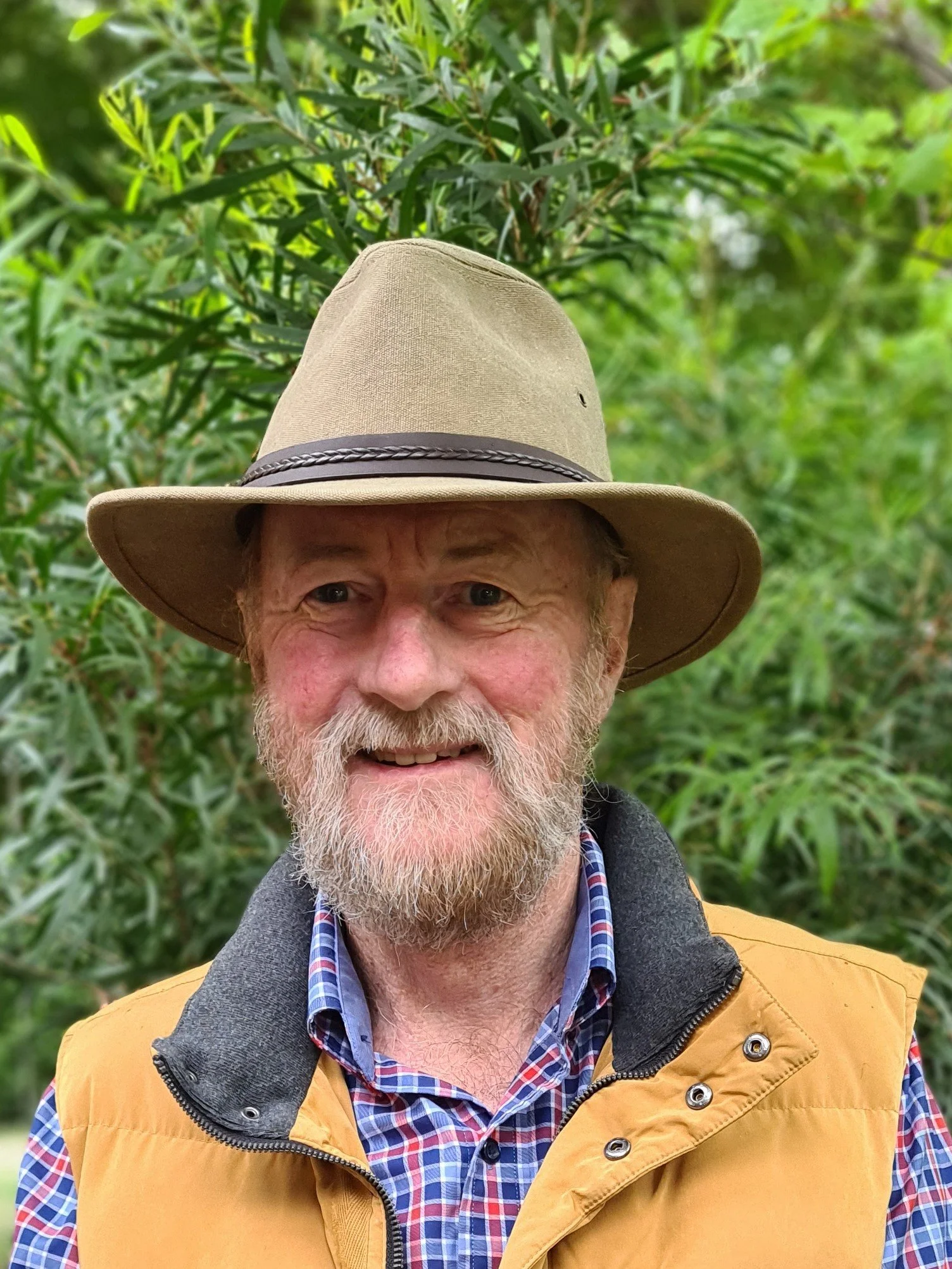
Speaker: Gary Morgan
Wildfire risk is rising in public consciousness across New Zealand and Australia, driven by recent extreme fire seasons, climate projections, and intense media coverage. Yet the relationship between actual wildfire danger, system capability, and community expectations is more complex than the prevailing narrative suggests.
This presentation examines wildfire risk and rural fire management capability across both countries through three lenses: evidence, expectations, and future system design. First, it contrasts observed fire danger and incident trends with climate‑modelled projections and public discourse, highlighting where risk is genuinely escalating, where it is changing in character (e.g. Wildland Urban Interface (WUI), plantation, and scrub interfaces), and where perception has outpaced data. Second, it explores the growing mismatch between community expectations and system capability—how centralisation, urban‑centric resourcing, and changing land use have affected rural and forest fire management, and what this means for forest owners, councils, and rural communities.
Finally, the presentation outlines key elements of a high-quality rural fire management system for the coming decades: integrated landscape fire governance, stronger partnerships between agencies and land managers, robust fire danger monitoring networks, and capability models that recognise the distinct requirements of rural, forest, and WUI fire environments. Drawing on case studies from both New Zealand and Australia, it offers practical, governance‑aligned recommendations for forest managers, policymakers, and rural fire agencies seeking to align investment, capability, and community expectations with the best available evidence.
Speaker Gary Morgan
Gary AM AFSM, a professional forester, operated in many regional roles in Victoria, Australia, before acting as head of Commercial Forestry for nine months then becoming Chief Fire Officer for Victoria’s Public lands. During his nine years in this role, in the year 2000, he initiated and organised together with Murray Dudfield, the first firefighting assistance from Australia and New Zealand to the USA.
After leaving government employment, he became the CEO of the Australian and New Zealand Bushfire Cooperative Research Centre before retiring from full-time work and undertaking forest fire management consultancies. As a consultant, Gary has provided forest fire management expertise to national and international clients.
He continues to be actively involved with national and international fire groups and is the current Chair of the Ministerial Advisory Panel for the Office of Bushfire Risk Management and an active member of Forestry Australia.
He was made a Member of the Order of Australia, in 2018, recognising his significant service to the community through fire response organisations, and to forest and fire research, and management.
-
Diverse Voices
Kindly Sponsored by Ernslaw
Think Like a Forest: Why the Forestry Profession Needs Diverse Voices.
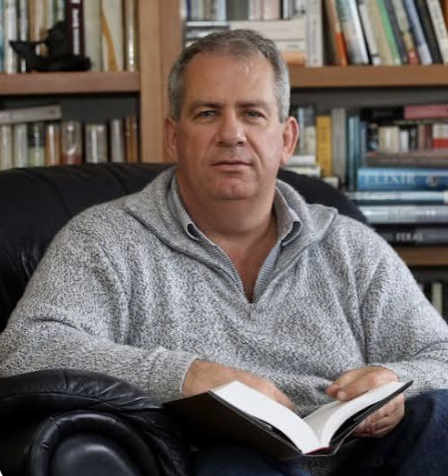
Speaker - Chris Perley
We will also be looking to formalise the Diverse Voices SIG and agree a mandate along the lines of
The NZIF Diverse Voices SIG will connect, support and amplify people whose perspectives have been underrepresented within forestry, while helping NZIF and the wider profession adopt more inclusive practices.
Special Events
-

Zealandia Te Māra a Tāne
Twilight Tour
Experience the sights and sounds of Zealandia Te Māra a Tāne with an expert guide, who will lead you through the picturesque sanctuary to search for the native wildlife.
Twilight is a magical time in the sanctuary. Venturing into the sanctuary just before sunset and hearing the dusk chorus, as the day birds sign off and the night manu wake up, is an unforgettable experience. The last part of the tour is walked in darkness by torchlight
Many species that are safe within the sanctuary are found in no or few other parts of mainland Aotearoa New Zealand. Soak up the beautiful scenery while learning more about our unique ecological history.
Numbers are limited to this event.
-

Future Foresters Quiz Night
Shed 22
This event brings together diverse teams to test their knowledge on everything from obscure pop culture, sports, forestry facts, and current events.
The real drawcard is the atmosphere—the collective groans at a missed answer, the cheers of a successful “joker” round, and the light-hearted debates that continue long after the final scores are tallied.
Whether you're a serious trivia buff or just there for the social buzz, the quiz night offers a relaxed, low-pressure way to connect with fellow peers.
Become a Sponsor.
Sponsoring Forestry Futures presents an exceptional opportunity to align your organisation with a pivotal moment in New Zealand and Australian forestry.
This prestigious joint conference will convene senior leaders, forest owners, investors, policymakers, and practitioners, offering unparalleled access to a highly engaged and influential audience.
By sponsoring, you will position your brand alongside the centennial celebration of the New Zealand Institute of Forestry, showcasing your long-term dedication to the sector’s future.
Additionally, sponsorship facilitates meaningful connections, conversations, partnerships, and the exchange of ideas that will shape the next century of forestry.
ANZIF thanks all our Sponsors
Commonwealth Sponsor
Sandalwood sponsorship

Forestry Futures Sponsor
Totara Sponsor
Totara Sponsor

Future Foresters Quiz Sponsor

Coffee Cart Sponsor

Keep Cup & Conference Pads Sponsor

Diverse Voices Sponsor

Session 1 Sponsor

Name Badge Sponsor

Speakers Gift sponsor

Certification Breakfast Sponsor
Student attendance Sponsor

Two student attendance Sponsor
Student Sponsor

Conference Bag sponsor

Conference Bag Sponsor

Transport from Wellington Airport to Wellington City.

Options range from the dedicated Airport Express bus to Taxis, shuttles and rideshare like Uber. The trip is roughly 9 Km and usually takes 15 to 30 minutes.
Airport Express Bus – cost $10NZD. Every 10 -0 minutes, 7 days a week.
Rideshare – cost $25-$45NZD . Designated pickup zone, follow signs.
Taxis – cost $40-$60NZD, operate from the Taxi Rank directly outside airport.
Super Shuttles – cost $18NZD, shared ride shuttle with a few stops.
Forestry Futures - Accommodation
We have secured some great deals for the Forestry Futures Conference which are listed here. When booking your accommodation, make sure you mention “Forestry Futures” to get our special rate.

-
The West Plaza is a 7 minute walk to Takina Wellington Convention and Exhibition Centre
Standard Queen Room (1 queen bed) @ $170 including GST per room per night
Standard Twin Room (1 queen and 1 single bed) @ $170 including GST per room per night
Promo code NZIF27
To book click here: Hotel Reservation
All cancellations and amendments must be received in writing to reservations@westplaza.co.nz.
If the booking is cancelled by 4pm 1 day prior to the arrival at the hotel, no charge will incur.
If the booking is NOT cancelled 1 day prior to the commencement of stay the hotel does reserve the right to charge for thee quivalent of one night's accommodation to the credit card used to make the booking. -
The Bay Plaza Hotel is a 6 minute walk to Takina Wellington Convention and Exhibition Centre at 40 Oriental Parade.
Standard King Room (1 king bed) @ $160 including GST per room per night
Standard Double Room (1 queen bed) @ $160 including GST per room per night
Standard Twin Room (2 single beds) @ $160 including GST per room per nightPromo code NZIF27
To book click here: Hotel Reservation
All cancellations and amendments must be received in writing to reservations@bayplaza.co.nz.
If the booking is cancelled by 4pm 1 day prior to the arrival at the hotel, no charge will incur.
If the booking is NOT cancelled 1 day prior to the commencement of stay the hotel does reserve the right to charge for the equivalent of one night's accommodation to the credit card used to make the booking. -
The Museum Apartment Hotel is 2 minute walk to Takina Wellington Convention and Exhibition Centre at 90 Cable Street.
Phone 04 280 4949 or email reservations_museumapartmenthotel@evt.com
Corporate ID field: ANZIF27, for discount.
Cancel by 01/07/2027 to avoid penalty
-
With a stay at Haka House Wellington, you'll be centrally located in Wellington, a 1-minute drive from Tākina Wellington Convention and Exhibition Centre.
292 Wakefield St Wellington 6011
Tel.+64 0800 666 716
Discount:
Promo Code: ANZIF27
15% off our Non-Refundable Rate
Valid for stays between 4 – 8 July 2027
100% payment required at the time of booking
Valid across all room types and beds (subject to availability)
No minimum stay
Bookings are non-refundable, non-cancellable, and cannot be amended
-
The conference will be held from July 5-7 2027 at the Takina, Wellington Convention Centre, 50 Cable Street New Zealand.
-
New Zealand Institute of Forestry and our Australian Forestry colleagues unite to celebrate a century of progress and partnership. This prestigious joint conference not only honours the sector’s remarkable achievements but also anticipates the opportunities and challenges of the next hundred years.
-
Immerse yourself in reflections on the influential people, groundbreaking ideas, and innovative technologies that have shaped today’s forests. Engage with leading experts on climate, land use, technology, and investment as we explore the future of forestry.
-
You can register online by visiting the www.nzifevents.nz and clicking the ‘Book now’ button. Early registration is encouraged to secure your spot.
-
The registration fees vary based on if you are a NZIF member or not.
Registration fees include the 2 days of conference, attendance at the awards dinner and the field trips. There are separate fees if you wish to attend the CPD sessions on the day before the conference.
-
We aim to keep the fees as low as possible for members.
If you are not a NZIF member you may wish to consider joining (as an associate) as this will give you access to member Registration and will be less than paying a non-member fee. There are some free rates for students who are displaying a poster as well as help for recent graduates.
To access this please email events@nzif.org.nz
-
Yes, we have partnered with several hotels near the Conference Centre. You can find a list of recommended hotels in the "Accommodation" section on our website.
-
The venue is easily accessible and generally walkable from most hotels in Wellington. There is paid parking on the wharf or under Te Papa. Detailed directions and a map are provided in the "Venue Information" section of our website.
-
Travel and accommodation expenses are not covered by the conference. Attendees are responsible for making their own arrangements.
-
The Wellington Airport is 7km drive, which takes approximately 15 minutes. See the Transport from Airport page withing the website for more detail.
-
Yes, most sessions will be recorded and made available to registered participants after the conference. Access details will be shared via email.
-
Refund policies vary based on the time of cancellation. Please review the cancellation policy in the "Registration" section for detailed information. In general there will be no refund for cancellations within 6 weeks of the event.
-
Complimentary WiFi is available throughout the venue. A password will be provided on arrival.
-
We recommend bringing your registration confirmation, a notepad or tablet for taking notes, business cards for networking, and any specific materials related to your area of interest. There will be a conference bag for each delegate with pen and pad inside.
-
Sponsorship opportunities are available and can be customised to fit your organisation's needs. Please visit the "Sponsors & Partners" section or contact our sponsorship coordinator (James@forestleaders.nz) for more details.
-
Yes, there will be an exhibition area showcasing products, services, and innovations related to forestry and infrastructure. Details about exhibiting are in the sponsorship pack, please contact Jay Matthes (events@nzif.org.nz) to receive a pack.
-
Yes we will be running 3 CPD programs starting at 10.00am on the 4th July and finishing at 4.30pm approximately
-
Yes non members can attend the CPD sessions if they register for them.
Please register on the website.
-
Yes the 2027 NZIF AGM will be held on the 4th July after the CPD sessions starting at 4.30pm. There will be post AGM networking drinks held after the AGM starting approximately 6pm
-
No the AGM is for NZIF members only.
-
We are committed to ensuring the safety of all participants. The venue will adhere to the latest public health guidelines, and hand sanitisers will be available throughout the conference. On the field trip we will be abiding by the Health and Safety requirements of the hosting organisation; however sensible shoes for outdoor walking and a coat is recommended.
-
If you feel unwell, please inform Jay Matthes, Event Manager or Conference Committee member immediately.
-
Yes the centre has a wall mounted AED.